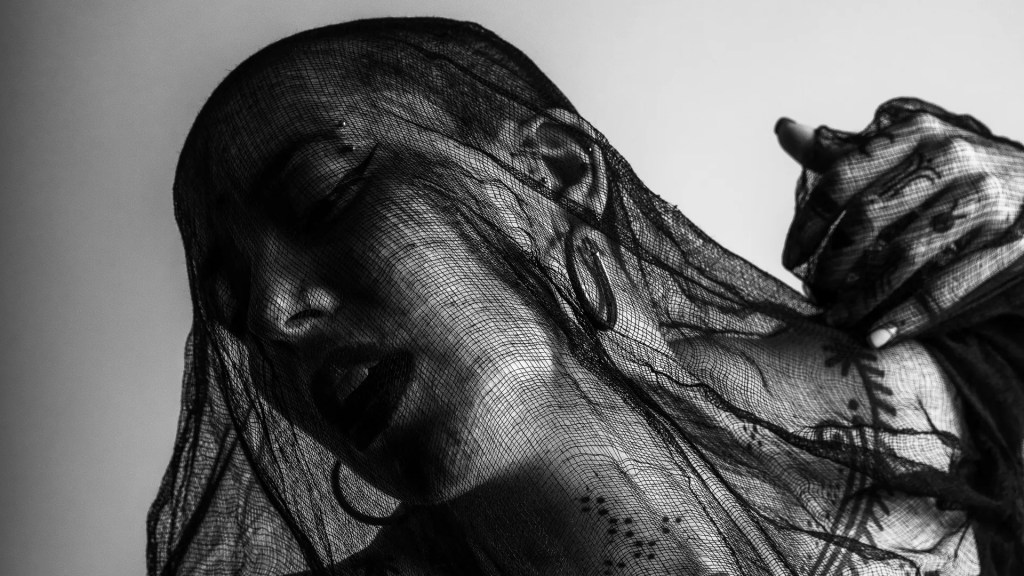
For years, I believed photography required pursuit, the constant motion of seeking, framing, producing. I was always ready to capture the next image, the next fleeting moment before it disappeared.
Over time, I realized something important. Most of what I was capturing was not what I truly saw. It was only what I was rushing to hold. The more I chased, the less I found.
So I stopped. I began to wait.
The Noise of Production
In the digital age, photography has become a language of urgency. We are told to shoot more, post more, deliver faster. Silence is seen as absence, and stillness as failure.
I lived inside that noise for years until I learned to listen for something quieter.
Creation cannot happen in noise. The silence is not absence; it’s preparation.
When I let the silence return, something shifted. My camera became lighter. My mind slowed. I started seeing differently. And not just looking, but receiving.
Learning to Wait
Waiting is not passive. It’s an act of trust.
When I enter a space, I no longer raise the camera right away. I observe the light, the tension, the invisible thread that connects everything. I let it breathe. Sometimes, nothing happens. Sometimes, hours pass.
But in that stillness, small revelations appear. You notice the curve of a shoulder against the light. There’s the sound of breath between poses. You see the hesitation before a gesture. These moments can’t be directed, they arrive when they belong.
“Patience is not delay; it’s devotion to what deserves time.”
When the Image Appears
There is a moment. It can last a fraction of a second or an eternity. The image simply reveals itself.
It’s not taken; it’s received.
Sometimes I know instantly it belongs. Sometimes it takes days to see it. But when it does appear, it feels inevitable, as though it had been waiting for me too.
Sometimes the frame finds me, not the other way around.
That’s what I mean by a fragment, unrushed. It is a piece of truth that only exists because I was willing to wait for it.
A Quiet Rebellion
In a culture obsessed with immediacy, waiting is a radical act.
To wait is to reject productivity as purpose. It’s to reclaim the sacred space between intention and outcome – where intuition lives, and authenticity breathes.
Each image I make now is a small rebellion against the pace of the world. It’s not fast, not compromised, not apologetic.
A fragment, unrushed. The image belongs when it decides to.
If this reflection resonates, wander further into the fragments themselves — the images that appeared only after silence.
 Wilson Santos