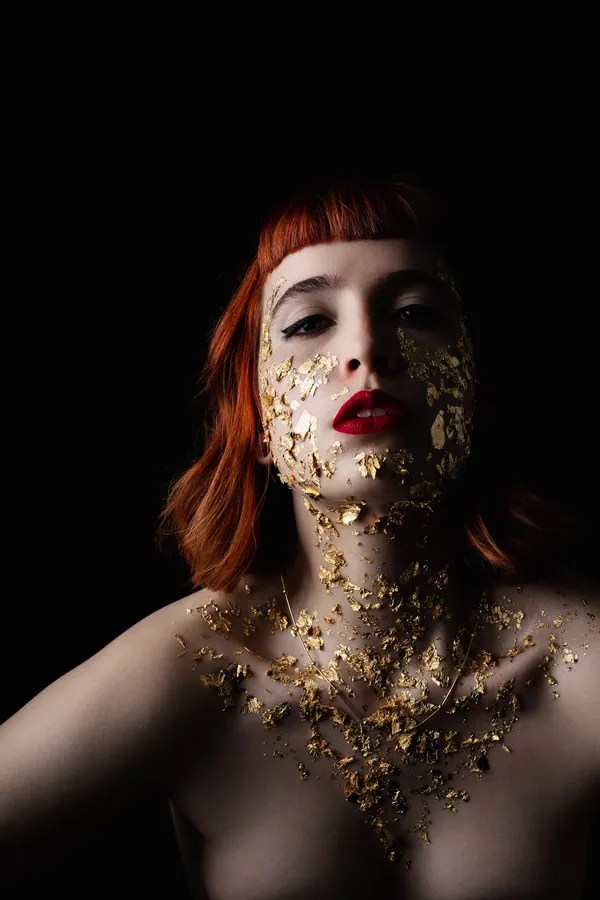
In the realm of fine art portrait photography, each frame narrates a tale. It encapsulates the subject’s essence. It also invokes emotions within the observer. As technology continually progresses, artificial intelligence (AI) emerges as a robust ally for photographers. It provides innovative means to amplify creativity. It also streamlines efficiency and elevates overall image quality. However, just like any other tool, AI comes with its own set of advantages and disadvantages. In this article, we’ll explore how AI can be integrated into fine art portrait photography. We will examine its benefits and consider the potential drawbacks of this technology.
Pros
- Fueling Creativity: AI introduces a multitude of creative prospects for photographers. Neural networks have the capability to generate distinct artistic styles, transforming mundane photographs into extraordinary masterpieces. Advanced algorithms can replicate the techniques of renowned artists. This allows photographers to explore diverse artistic visions. It also broadens their creative horizons.
- Elevated Image Quality: AI algorithms excel in the realm of image enhancement. They empower photographers to produce high-quality images with heightened details, sharpness, and dynamic range. Noise reduction algorithms effectively minimize digital noise, even in challenging lighting conditions. Super-resolution techniques amplify image resolution without compromising quality. These advancements enable photographers to deliver impeccable prints and capture the most delicate intricacies of their subjects.
- Advanced Facial Recognition and Analysis: AI-driven facial recognition and analysis tools prove to be invaluable for fine art portrait photographers. These tools can automatically detect and trace facial features, simplifying the process of capturing the subject’s emotions and expressions. Moreover, they can aid in identifying potential flaws or imperfections in portraits, facilitating precise adjustments during the editing process.
- Enhanced Efficiency and Workflow: AI-powered tools can significantly expedite the editing and post-processing stages. Automated image curation algorithms enable photographers to swiftly sift through vast photo collections, preserving precious time. Additionally, AI-assisted retouching and color correction tools speed up the editing process. They grant photographers more time to focus on the creative aspects of their craft.
Cons
- Ethical Considerations: As AI algorithms continue to advance, concerns surrounding privacy and consent surface. If used without appropriate consent or ethical guidelines, facial recognition and analysis tools can violate individual privacy rights. Fine art portrait photographers must exercise caution. They should adhere to ethical standards while employing AI-powered tools. It’s important to respect the rights of their subjects and uphold trust.
- Learning Curve and Costs: Implementing AI technology in photography demands both time and financial investment. Familiarizing oneself with AI tools, understanding their functionalities, and adapting to new workflows can necessitate a significant learning curve. Additionally, purchasing advanced AI software can be expensive. Investing in high-end hardware may also be a costly endeavor, especially for individual fine art portrait photographers.
- Over reliance on Technology: Integrating AI into fine art portrait photography has a downside. There is a risk of becoming overly reliant on technology. Excessive dependence on AI tools often leads to the loss of personal touch. It diminishes the unique perspective that photographers bring to their work. It is imperative to balance leveraging AI capabilities. Preserving the artistic integrity and authenticity of one’s craft is also essential.
In Conclusion
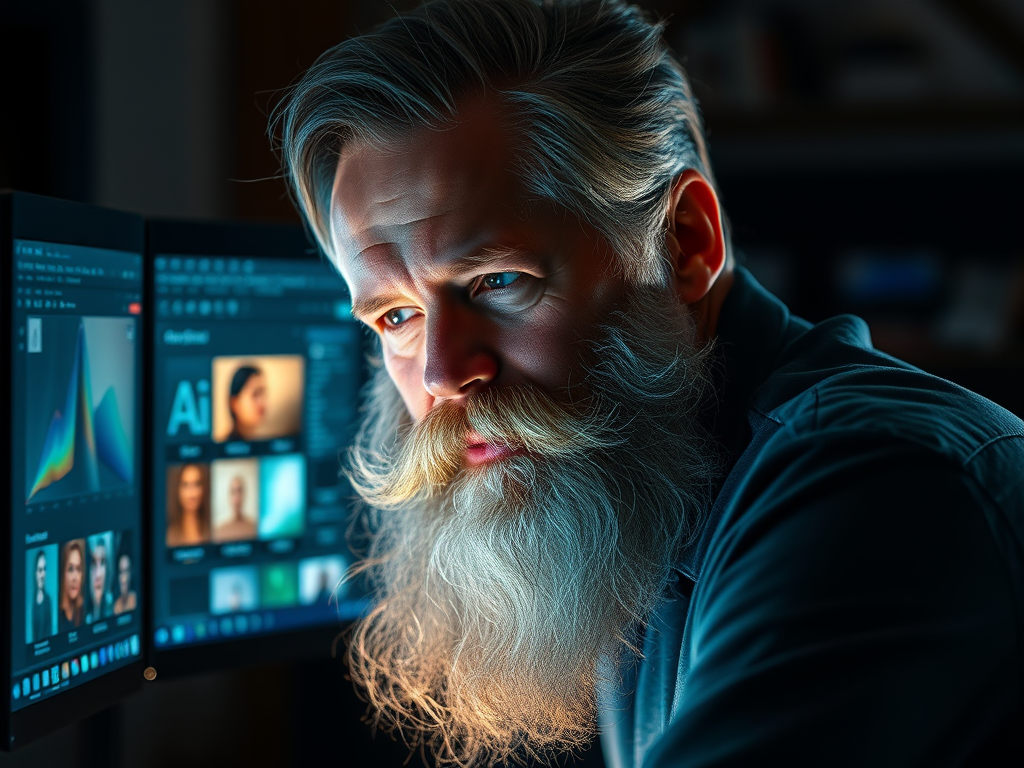
The integration of AI in fine art portrait photography has undeniably unlocked new realms of creativity and efficiency. The potential of AI in enhancing workflow, fostering creativity, refining image quality, and simplifying facial recognition and analysis is unmistakable. However, photographers and the wider community must remain aware of potential drawbacks. These include excessive reliance on technology, ethical considerations, and the learning curve associated with the implementation of AI.
Ultimately, it is crucial to strike a balance between harnessing the potential of AI and preserving one’s unique artistic vision. This balance is essential for fully utilizing this technology’s transformative capabilities. It is vital in the world of fine art portrait photography.
Final Thoughts: A Dialogue in Progress
As AI continues to evolve, so too does its impact on fine art portrait photography. It offers compelling tools to elevate our work. These tools streamline workflows, expand creative possibilities, and refine image quality. However, AI also challenges us to reflect on our ethics, our process, and what makes our artistry truly personal.
This conversation is far from over.
At its core, fine art portrait photography remains an intimate and human endeavor. How we choose to integrate AI—thoughtfully, critically, and creatively—will shape the future of our craft. That’s why your voice matters. Whether you’re experimenting with AI-driven tools or cautiously exploring their potential, we invite you to share your experiences. You might also be taking a more analog approach. Share your insights and questions with us.
Let’s build a richer understanding of what AI can mean for the future of fine art portraiture. We should also consider what it should mean. Reach out, comment, or collaborate with us as we continue to navigate this exciting intersection of technology and timeless expression.
Together, we can shape the next chapter.
 Wilson Santos