If you are a fan of portrait photography, you have probably seen some of the iconic images captured by Yousuf Karsh, one of the greatest portrait photographers of the 20th century. Karsh was known for his ability to reveal the inner personality and character of his subjects, using dramatic lighting and close-up composition. In this blog post, we will explore his life, his style, and some of his most famous portraits.
Who was Yousuf Karsh?
Yousuf Karsh was born in 1908 in Mardin, a city in the Ottoman Empire (now Turkey). He was an Armenian survivor of the genocide that took place during World War I, and he escaped with his family to a refugee camp in Syria in 1922. In 1924, he was sent by his father to live with his uncle George Nakash, a photographer in Quebec, Canada. There, he learned the basics of photography and developed a passion for the art form.
In 1928, he moved to Boston to apprentice with John H. Garo, a renowned portrait photographer who had photographed many celebrities and politicians. Garo taught Karsh the techniques of artificial lighting and studio work, and also encouraged him to study paintings and sculptures to learn about composition and expression.
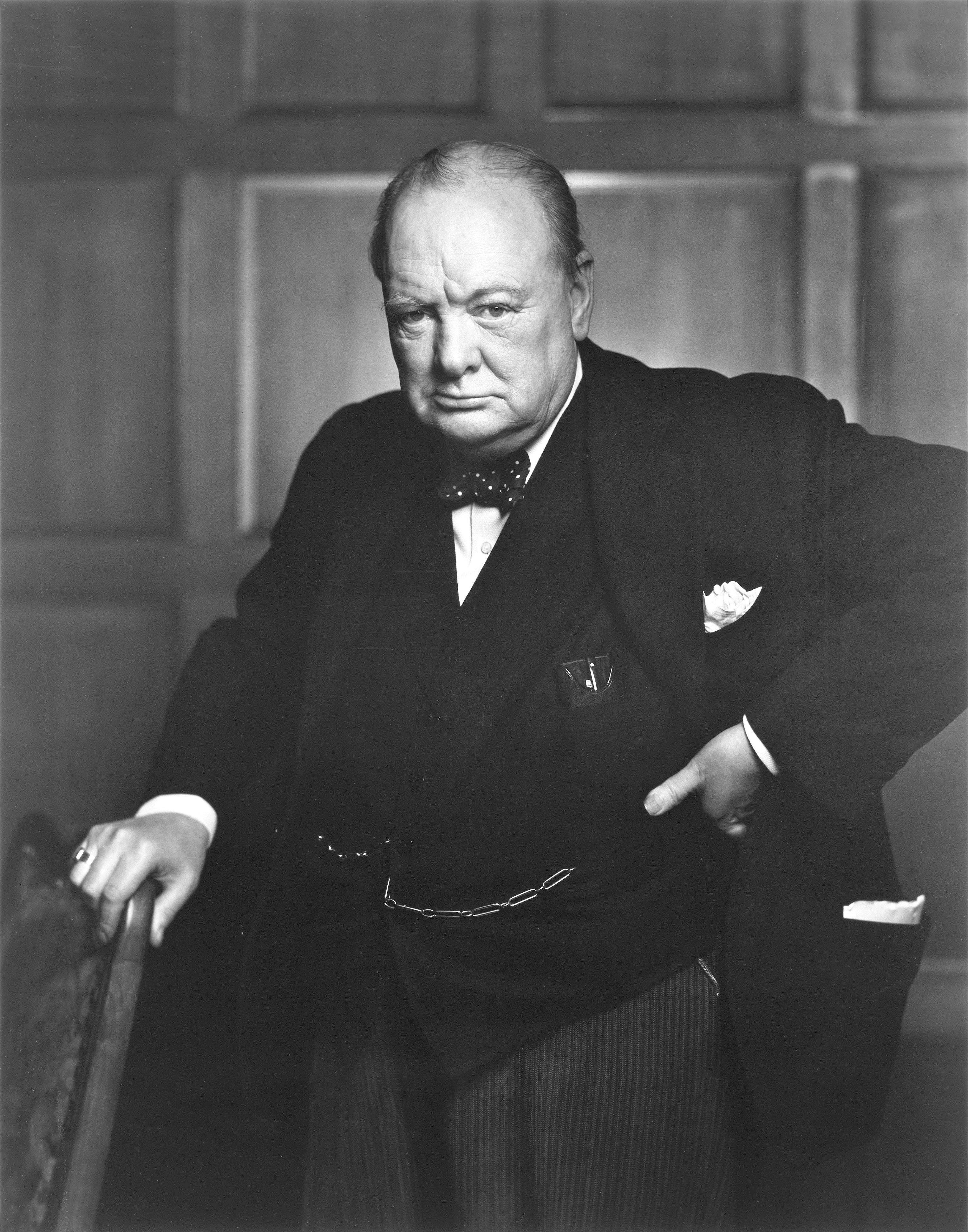
In 1931, Karsh returned to Canada and opened his own studio in Ottawa, where he soon became the official portrait photographer of the Canadian government. He also joined a local theater group and experimented with theatrical lighting in his portraits. He gained international fame in 1941, when he photographed Winston Churchill after his speech to the Canadian Parliament. The portrait showed Churchill’s defiant and determined expression, and became a symbol of Britain’s resistance against Nazi Germany.
Karsh went on to photograph many influential figures from various fields, such as Albert Einstein, Ernest Hemingway, Pablo Picasso, Martin Luther King Jr., Audrey Hepburn, and John F. Kennedy. He traveled around the world for his assignments, and also received many honors and awards for his work. He retired in 1993 and died in 2002 at the age of 93.
What was Karsh’s style of photography?
Karsh’s style of photography was characterized by his use of dramatic lighting, which created strong contrasts between light and shadow on his subjects’ faces. He often used multiple light sources, such as spotlights, reflectors, and diffusers, to create different effects and moods. He also used plain backgrounds or simple props to avoid distractions and focus on the essence of his subjects.
Karsh preferred to photograph his subjects in their natural environment or workplace, rather than in a studio. He believed that this would help him capture their personality and profession more authentically. He also spent time talking to them before the session, learning about their lives and interests, and making them feel comfortable and relaxed.
Karsh’s portraits were often closely cropped, showing only the head or the upper body of his subjects. He used a large-format camera with a long lens to create a shallow depth of field and a sharp focus on the eyes and facial features. He also paid attention to the gestures, expressions, and poses of his subjects, trying to convey their emotions and character.
Some examples of Karsh’s portraits
Here are some examples of Karsh’s portraits that show his mastery of lighting and composition:
- Winston Churchill (1941): This is perhaps Karsh’s most famous portrait, which he took after Churchill gave a speech to the Canadian Parliament during World War II. Karsh approached Churchill as he was leaving the podium and asked him to pose for a picture. Churchill refused to remove his cigar from his mouth, so Karsh snatched it away from him just before taking the shot. The result was a portrait that showed Churchill’s defiant and determined expression, which became a symbol of Britain’s resistance against Nazi Germany.
- Albert Einstein (1948): This is one of Karsh’s most iconic portraits of a scientist, which he took at Princeton University. Karsh used a single spotlight to illuminate Einstein’s face from above, creating a halo effect that emphasized his genius and wisdom. He also captured Einstein’s gentle smile and twinkling eyes, which showed his warmth and humor.
- Audrey Hepburn (1956): This is one of Karsh’s most elegant portraits of an actress, which he took at Warner Brothers Studios in Hollywood. Karsh used a soft light to create a glamorous effect on Hepburn’s face and hair, while also highlighting her delicate features and graceful posture. He also chose a black-and-white contrast that matched Hepburn’s dress and pearls.
- Martin Luther King Jr. (1962): This is one of Karsh’s most powerful portraits of a civil rights leader, which he took at the Sheraton Hotel in Atlanta. Karsh used a strong light to create a dramatic effect on King’s face, which showed his intensity and courage. He also captured King’s clenched fist and determined gaze, which showed his resolve and vision.
Why is Karsh important for portrait photography?
Karsh is important for portrait photography because he showed how lighting can be used to create different effects and moods, and how it can reveal the inner personality and character of the subjects. He also showed how to use composition, focus, and cropping to create striking and memorable images. He influenced many portrait photographers who came after him, such as Annie Leibovitz, Richard Avedon, and Irving Penn.
Karsh’s portraits are not only artistic, but also historical, as they document some of the most influential people of the 20th century. His portraits are also timeless, as they capture the essence and spirit of his subjects, rather than their superficial appearance.
If you are interested in learning more about Karsh and his work, you can visit his official website, where you can see more of his portraits and read about his biography and legacy. You can also check out some of the books and documentaries that feature his work.
We hope you enjoyed this blog post about Yousuf Karsh, one of the masters of dramatic portraits. If you are looking for a fine art portrait photographer who can create stunning images for you or your loved ones, contact us today. We would love to hear from you and help you capture your personality and character in a beautiful and artistic way.
Related Reading
(1) Yousuf Karsh – Wikipedia
(2) Yousuf Karsh | Armenian-Canadian Portrait Photographer.
(3) Yousuf Karsh Biography – Canadian photographer (1908–2002)
(4) What is Yousuf Karsh photography style?
(5) Yousuf Karsh: The Master of Portrait Photography
(6) 7 Things Yousuf Karsh Can Teach You About Photography
(7) Yousuf Karsh | The Canadian Encyclopedia
(8) Portraits – Yousuf Karsh
(9) A Gallery Overview of Portraits – Yousuf Karsh
(10) On Photography: Yousuf Karsh, 1908-2002
(11) Yousuf Karsh | MoMA
(12) Yousuf Karsh | Artnet
 Wilson Santos